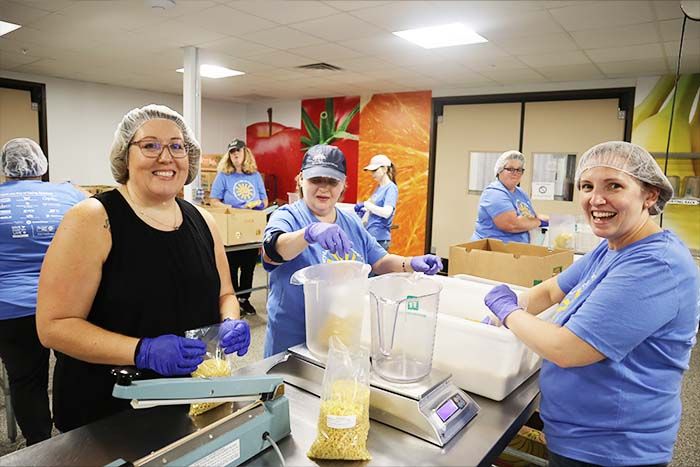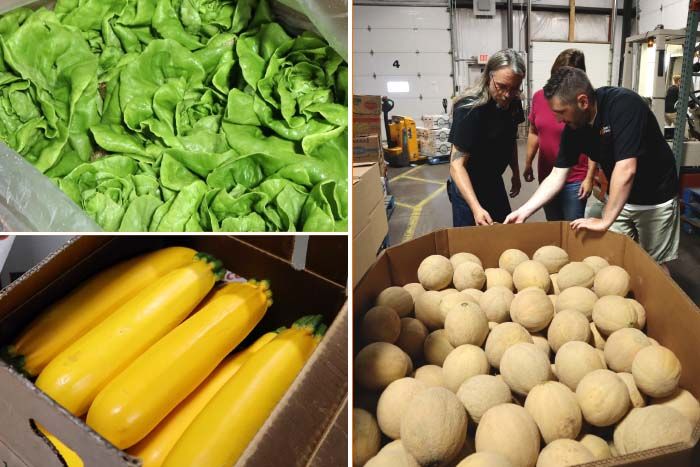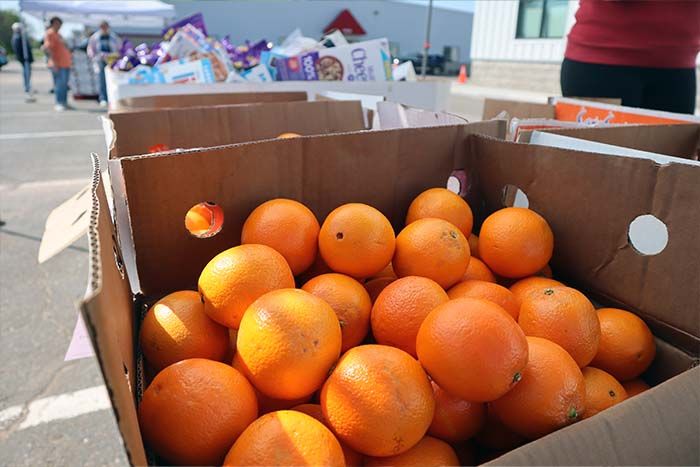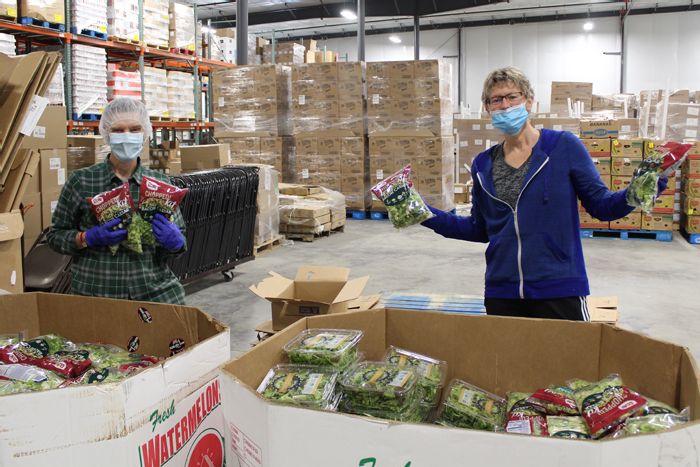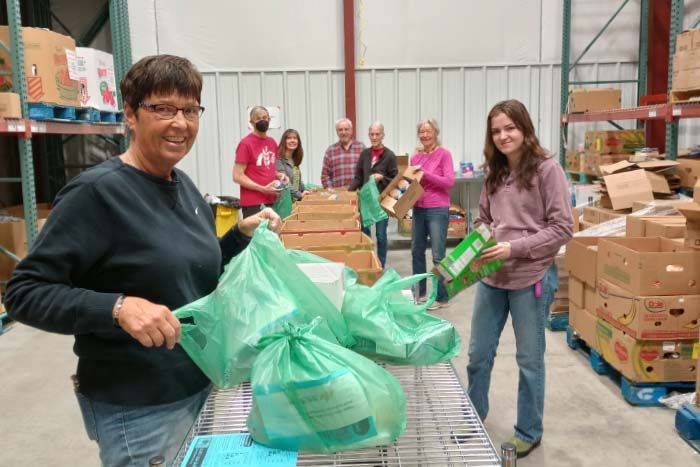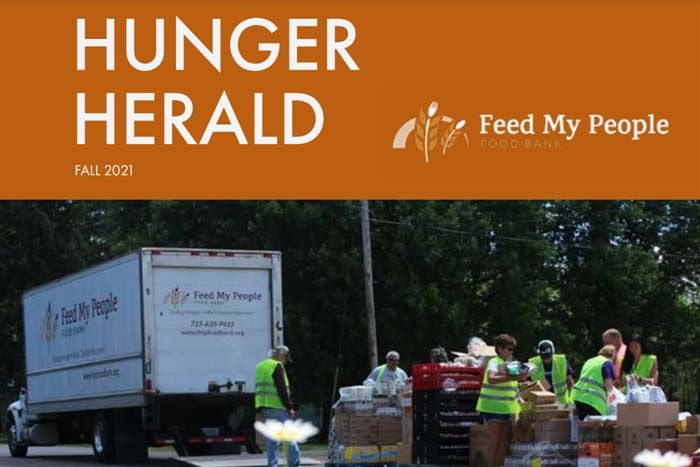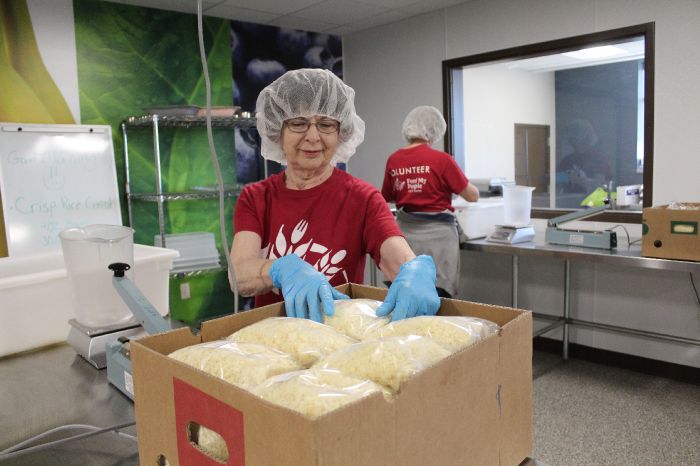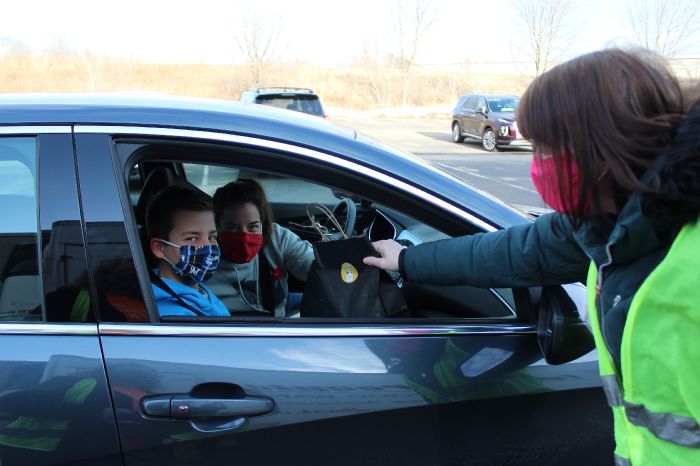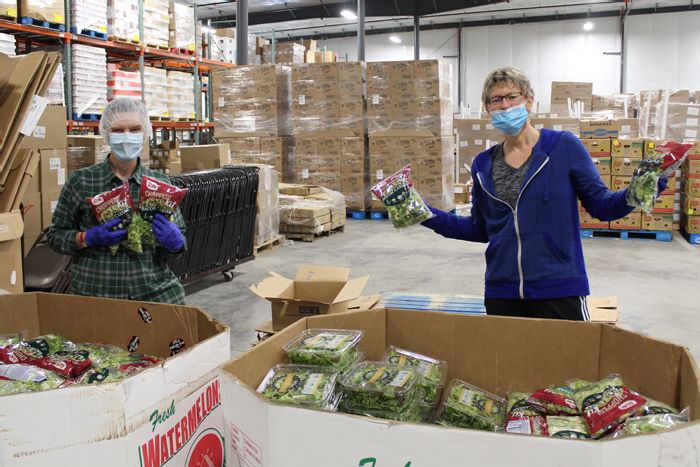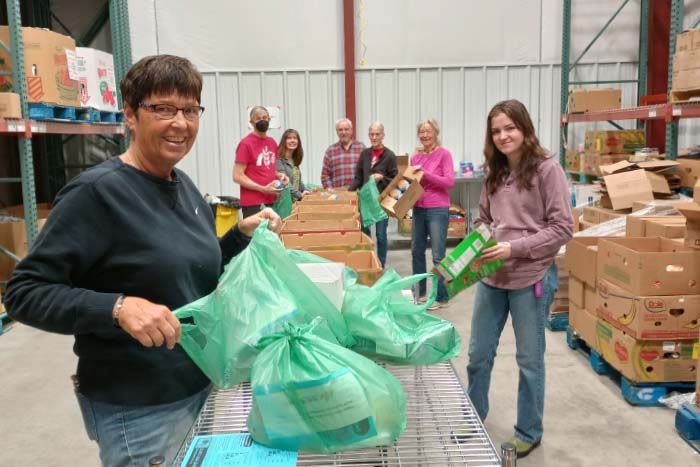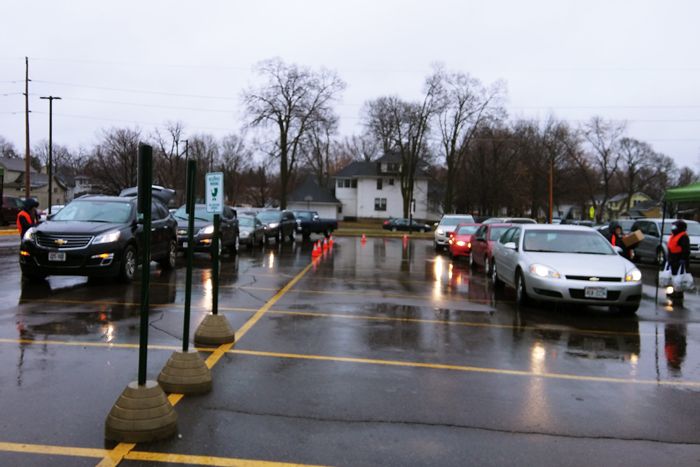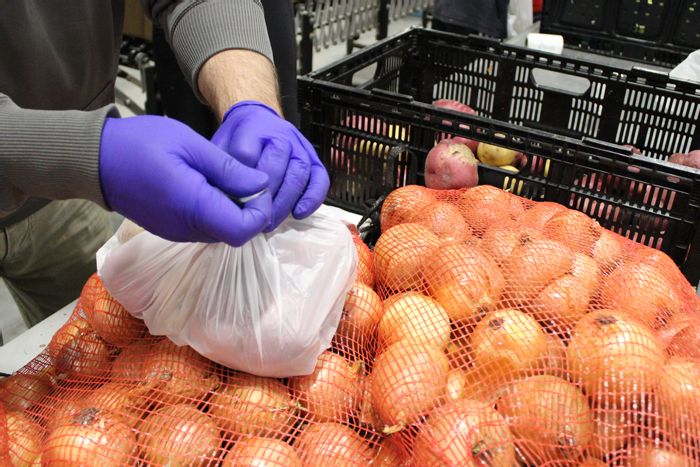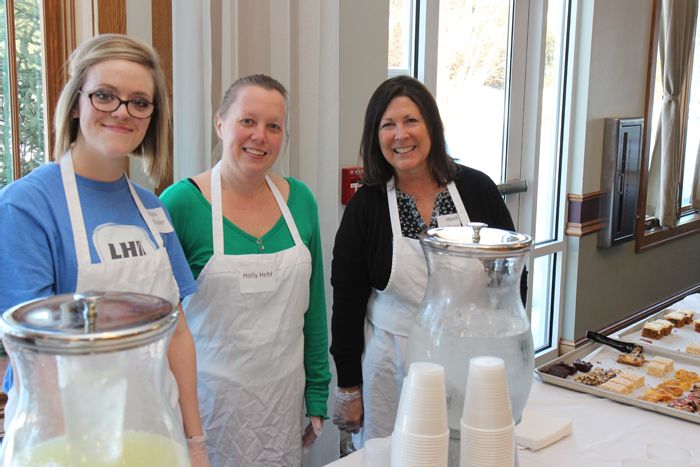
Feed My People provides a safe, efficient, and cost-effective system for distributing a wide variety of unsaleable but edible food through our network of community food assistance programs that include soup kitchens, food pantries and shelters.
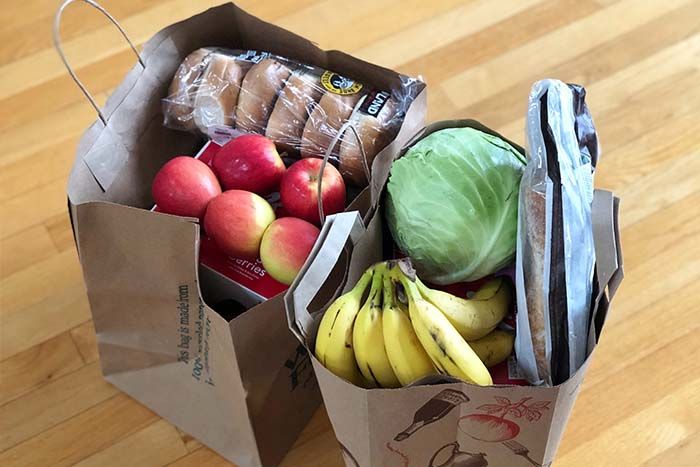
Donating food makes good business sense. Here are just a few reasons why:
-
Tax Deduction - The 1976 Tax Reform Act (see Tax Benefits and Liability Protection ) allows companies to deduct costs associated with donating food to non-profit organizations.
Cost Savings - In addition to tax benefits, save money by donating products to Feed My People rather than paying the cost of throwing them away.
Inventory Control - A food donation can help reduce your surplus of hard-to-move inventory, and inventory that can be eaten but not sold.
Relieves Tracking Obligations - Tracking obligations imposed by the Bioterrorism Preparedness and Response Act of 2002 are applied differently to food banks than to sales to salvage dealers.
Company Promotion - Feed My People promotes our food industry donors through a variety of marketing materials, including our Annual Report.
Generates Goodwill - Your support and goodwill may win you the respect of your community and staff. A 1997 study found that 76% of consumers would switch retailers because of cause-related marketing and 78% of adults said they would be more likely to buy a product associated with a cause they care about.
What to Donate
Feed My People Food Bank accepts everything from cases to truckloads of food and non-food items that are:
Dry Stored |
Cosmetically damaged |
Perishable |
Code-dated |
Frozen |
Discontinued or test-market |
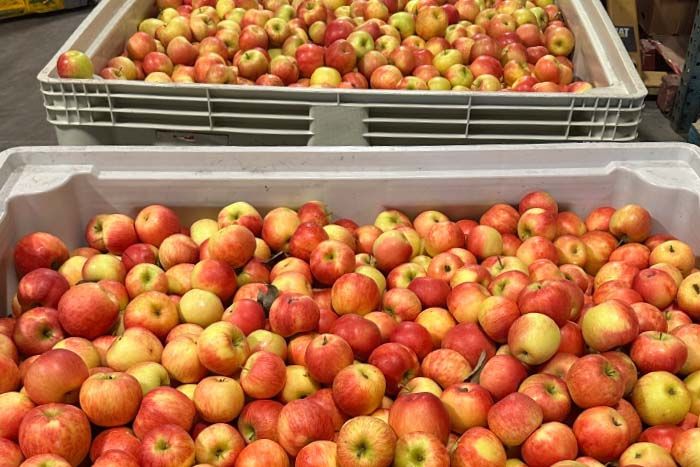
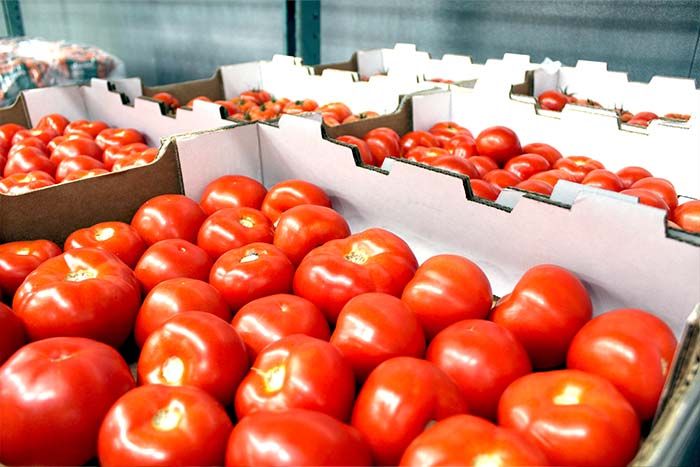
Fruits and vegetables |
Unlabelled or mislabeled |
Meat products |
Private-label brands |
Household |
Under or over weight items |
Personal care |
Off-specification products |
How to Donate
To discuss how your company can donate food or other products to Feed My People Food Bank, contact us at 715.835.9415 or . Product pick-up can be arranged.
You can also arrange to take a tour of our warehouse and administrative office to see exactly how we process your donation.
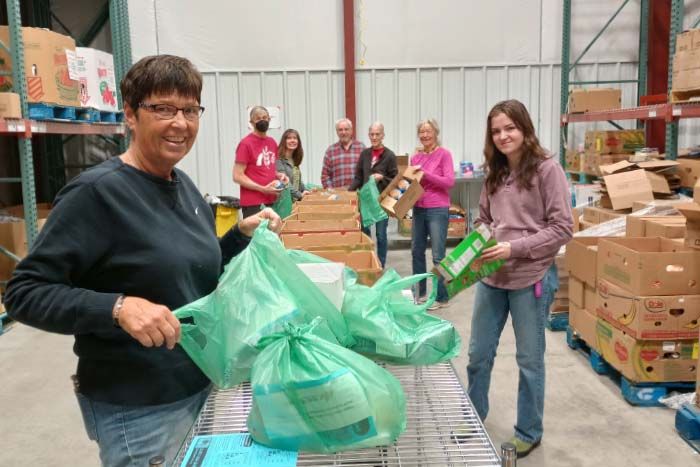
Once your donation reaches our warehouse, it will be checked-in and documented, and you will be given a receipt. Your donation will be quickly distributed to people through our member programs. These programs are monitored to ensure that donated products do not re-enter the marketplace.
Where to Donate
Feed My People Food Bank accepts all food industry donations at our warehouse where donations are inventoried and then distributed to member programs throughout our service area.
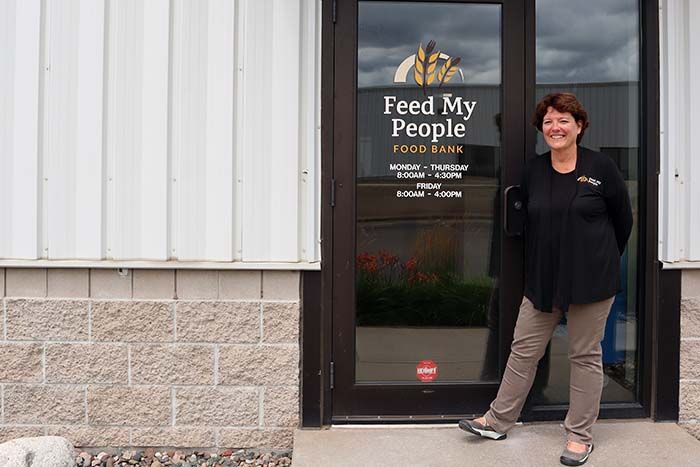
We are open Monday - Friday 8:00 am - 5:00pm. Call ahead to arrange for different hours. Contact us and get directions.
Tax Benefits of Donating Food
In the 1976 Tax Reform Act (Section 2135), Congress refined what had been the general rule since 1969, entitling corporations to an increased deduction under certain circumstances* for contribution of ordinary income property to a public charity or to a private operating foundation.
Your company may take: 1.) The sum of one-half of the unrealized appreciation (market value minus cost equals appreciation) plus the taxpayer's cost, BUT 2.) Not in excess of twice the cost of the contributed property.
For more information, contact your tax professional or www.irs.gov.
*Under IRC Section 170 (E)(3), a corporation is entitled to a deduction with respect to a contribution to a public charity or to a private operating foundation of appreciated property described in Section 1221 (1) & (2).
Liability Protection
In 1996, the Bill Emerson Good Samaritan Food Donation Act was signed into federal law to encourage donations of food and grocery products to non-profit organizations for distribution to needy individuals. This law:
Protects you from liability when you donate to a non-profit organization.
Protects you from civil and criminal liability should the product donated in good faith later cause harm to the needy recipient.
Standardizes donor liability exposure. You or your legal counsel no longer must investigate liability laws in 50 states.
Sets a floor of "gross negligence" or intentional misconduct for persons who donate grocery products. According to this law, gross negligence is defined as "voluntary and conscious conduct by a person with knowledge (at the time of conduct) that the conduct is likely to be harmful to the health or well-being of another person."
For more information about the protection offered to food donors as well as the full text of the Act, click here.
|